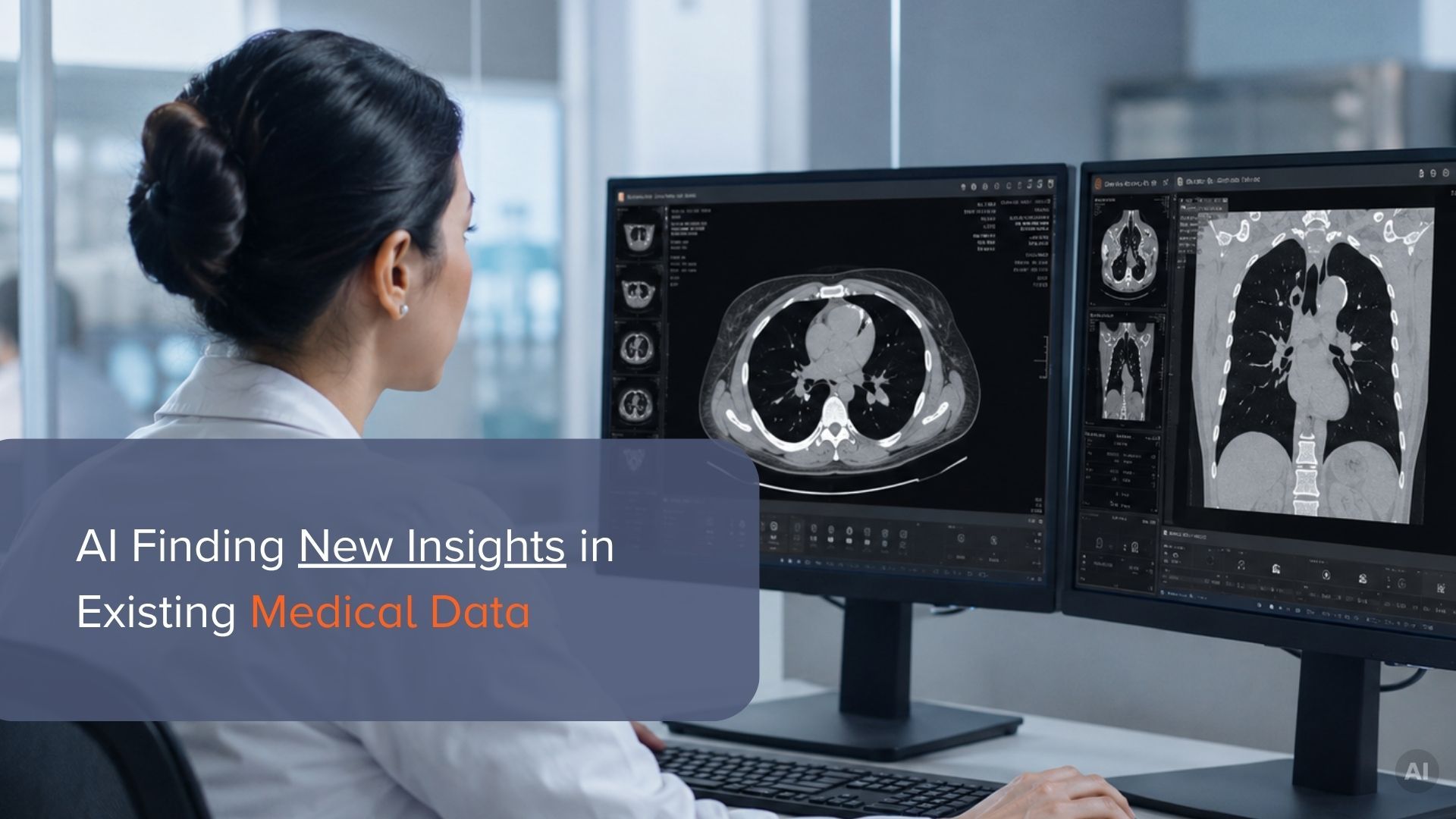
AI Finding New Insights in Existing Medical Data
MedTech innovations do not always require a new sensor or device. Hospitals and healthcare companies already generate large amounts of data, including ECG recordings, medical images, lab results, and patient monitoring data. However, this information is often located in different systems, stored in inconsistent formats, or used only for its original purpose. A recent example of how AI can uncover additional insights from data already collected is Tempus ECG-PH. It received FDA 510(k) clearance in August 2026. The software analyzes standard 12-lead ECG recordings for signs associated with pulmonary hypertension, instead of requiring a new type of device. This kind of approach is already emerging across the industry: AI models built on top of standard diagnostic recordings, such as a routine ECG, can be trained to flag signs of conditions the test was never originally designed to detect. No new sensor, no new device, just a new way of reading data that was already being collected.
New Value in Existing Data
AI is a tool that can help identify meaningful patterns by analyzing data. Bringing that data together, checking its quality, and making it consistent are the essential first steps.
AI can analyze large numbers of records and identify patterns that may be difficult to notice through manual review. It can, for example, compare patient responses to treatment or detect subtle changes in ECG and patient monitoring data over time. These insights may help a MedTech company add a valuable software function to an existing product without developing new hardware.
This is what we think of as the Evolve stage of a product's lifecycle: adding new capability to a device already on the market, without new hardware or a full redesign.
Keeping the Data Safe
Medical data can become a valuable foundation for innovation. Clear data governance helps teams understand what information is available, how it can be used, and how it should be prepared for AI analysis. Measures such as anonymization and controlled access make it possible to explore new applications while respecting patient privacy and GDPR requirements.
At Thaumatec, we build data protection in from day one of product development. Secure software architecture, carefully designed data flows, and clear access controls let MedTech companies put their data to work with confidence, and turn what they already have on file into real clinical value.
Potential Payoff
Existing medical data may contain valuable information that wasn't relevant to its original purpose, or that was simply overlooked. With the right analysis, it can reveal new product opportunities, support better clinical decisions, or show where a current solution could be improved.
For MedTech companies, revisiting historical data can be a practical way to develop new software features, extend the value of a device already on the market, and create better tools for healthcare professionals and patients.
Summary
The next valuable MedTech innovation may not require new hardware, just a closer look at the data you already have. The right software, careful validation, and a clear clinical purpose can support new features and better healthcare solutions. Thaumatec Tech Group helps MedTech companies turn existing medical data into secure and reliable software designed for real clinical use. AI-assisted content, reviewed by our team.