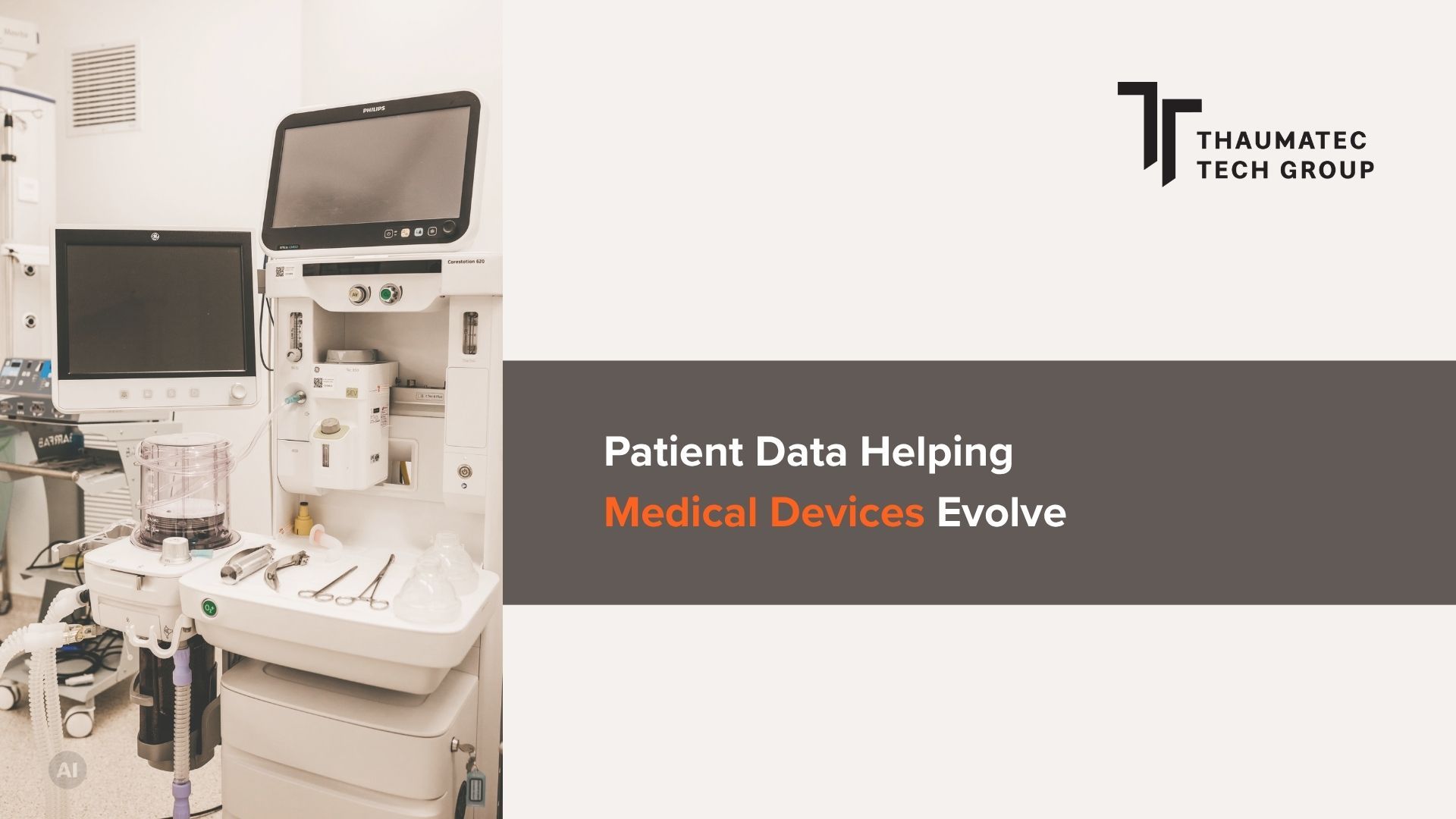
Patient Data Helping Medical Devices Evolve
On 14 September 2026 the FDA released a new educational course on patient-generated and real-world data across the medical device lifecycle. The course makes one point clear: a device’s usefulness doesn’t end once it reaches the market. How patients actually use it generates data that helps manufacturers see how the product performs and how it could evolve in the future.
Patient-Generated Data vs Real-World Data
Patient generated health data and real-world data can provide different perspectives on how a medical device performs and is used. Patient-generated health data can include heart rate measurements from a smartwatch, symptoms reported through an app or activity data.
Real-world data is a broader concept that can also include data from EHRs, registries and routine clinical care.
Learning How a Medical Device Is Actually Used
Before the launch of a medical device, manufacturers rely on requirements, testing and clinical evaluation. After launch however, real-world use provides another valuable source of information for further product development. It can show which functions are used most often, the situations in which the device is used, how it performs among different patient groups and what new needs emerge in practice.
As the FDA points out, this kind of data offers a wider view of how a device performs over time across different groups of people.
Using Data For Product improvement
Once a device is in use, the data it produces shows how the product actually performs and how patients interact with it. These insights can help manufacturers identify opportunities for improvement and inform decisions about future product development.
The process can move from observation to product decisions, updated requirements and risk assessment, followed by development, verification and validation. The result may be an improved feature, a new integration or a future software release informed by real-world use.
Software and Medical Device Evolution
Modern medical devices increasingly combine hardware with embedded software, applications, cloud or backend services, data and integrations. A well implemented software architecture can make it easier for manufacturers to add new analytics, dashboards, connectivity, notifications, AI-assisted features and integrations with other healthcare systems.
Real-world data can help indicate where a product could evolve, while a well-designed software architecture can determine how effectively those improvements can be implemented.
The Full Product Lifecycle
Using patient-generated and real-world data to evolve medical devices can support the full Build-Run-Evolve lifecycle. In the Build phase, the product moves from concept towards launch, with its software designed to support both its intended functions and relevant data collection.
In the Run phase, the product is used in real-world settings, where its performance and usage can provide meaningful information and in Evolve, these insights can help guide new features, integrations and future releases.
Summary
Medical devices can continue to evolve after launch. Real-world and patient-generated data can help manufacturers understand how their products are being used, identify opportunities for improvement and make better decisions about what to build next. Thaumatec supports companies across this lifecycle - from developing medical device software to evolving existing products with new features, integrations and technologies.